Understanding Brick Quality in Nepal
Building a strong and safe home in Nepal always starts with choosing the right Itta (bricks). Whether you are starting a new Naksa Pass (building permit) procedure for a family house in the valley or building a boundary wall out in the Terai, knowing your bricks will save you money and keep your structure safe for generations.
Classification of Bricks
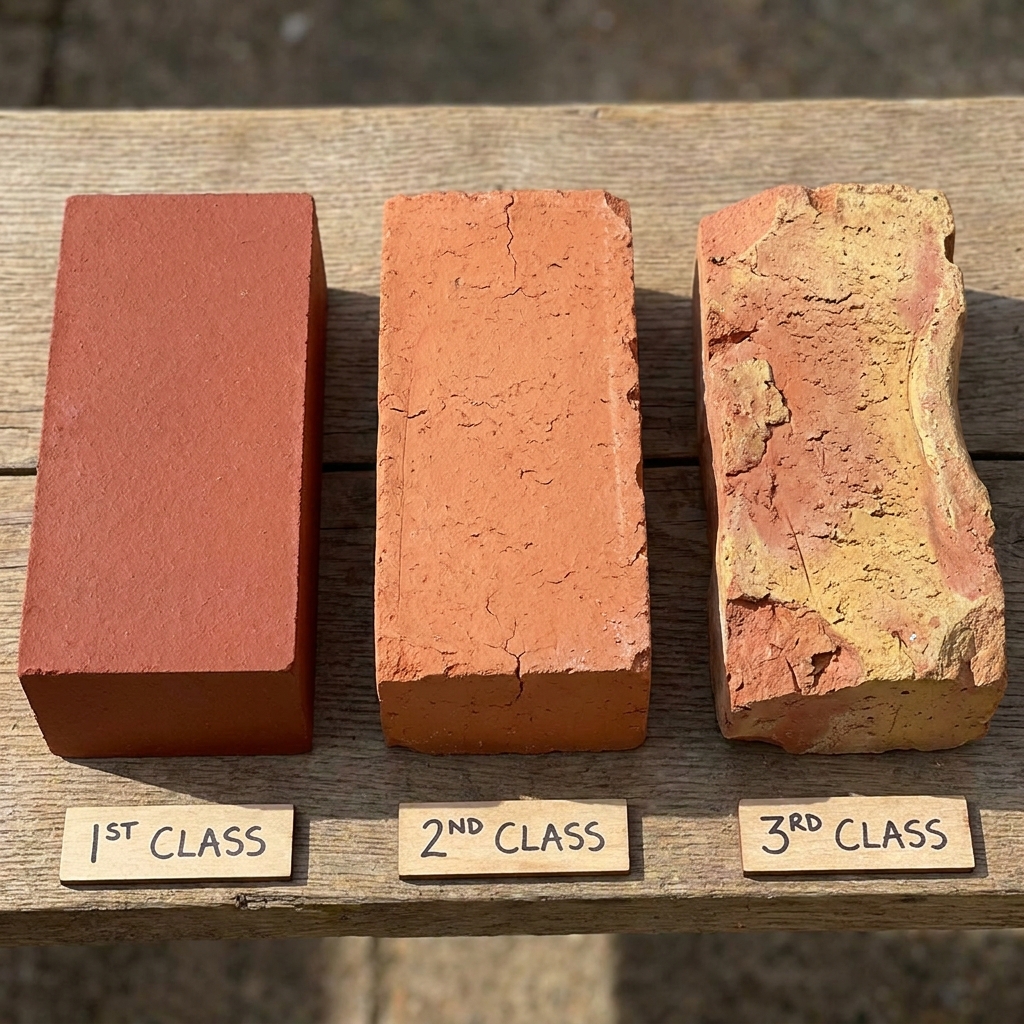
According to general engineering practices and standards like IS 1077 and NBC 109 (Nepal Building Code for Unreinforced Masonry), bricks in Nepal are locally classified into three main types. Here is what you and your Thekedar (contractor) need to know:
| Brick Class | Local Name | Characteristics | Best Used For |
|---|---|---|---|
| First Class | Awal (अब्बल) | Deep red color, sharp straight edges, and a metallic ring when struck. | Main load-bearing walls, exposed masonry, and primary structures. |
| Second Class | Dui Numberi (दुई नम्बरी) | Slightly irregular in shape with minor cracks. Color may be slightly uneven. | Hidden interior partition walls, temporary sheds. |
| Third Class | Tin Numberi (तीन नम्बरी) | Pale/yellow (underburnt) or dark/black (overburnt). Breaks very easily. | Soling (foundation base course), temporary walkways. |
4 Easy Field Tests You Can Do On-Site
You don't need a fancy laboratory to check if your supplier delivered high-quality materials. Next time you are on site observing the Dhalai (casting) or masonry work with your Mistri (head mason), try these simple tests:
- 1The Sound TestTake two bricks and strike them against each other. They should produce a clear, metallic 'clinking' sound. A dull thud means the brick is weak.
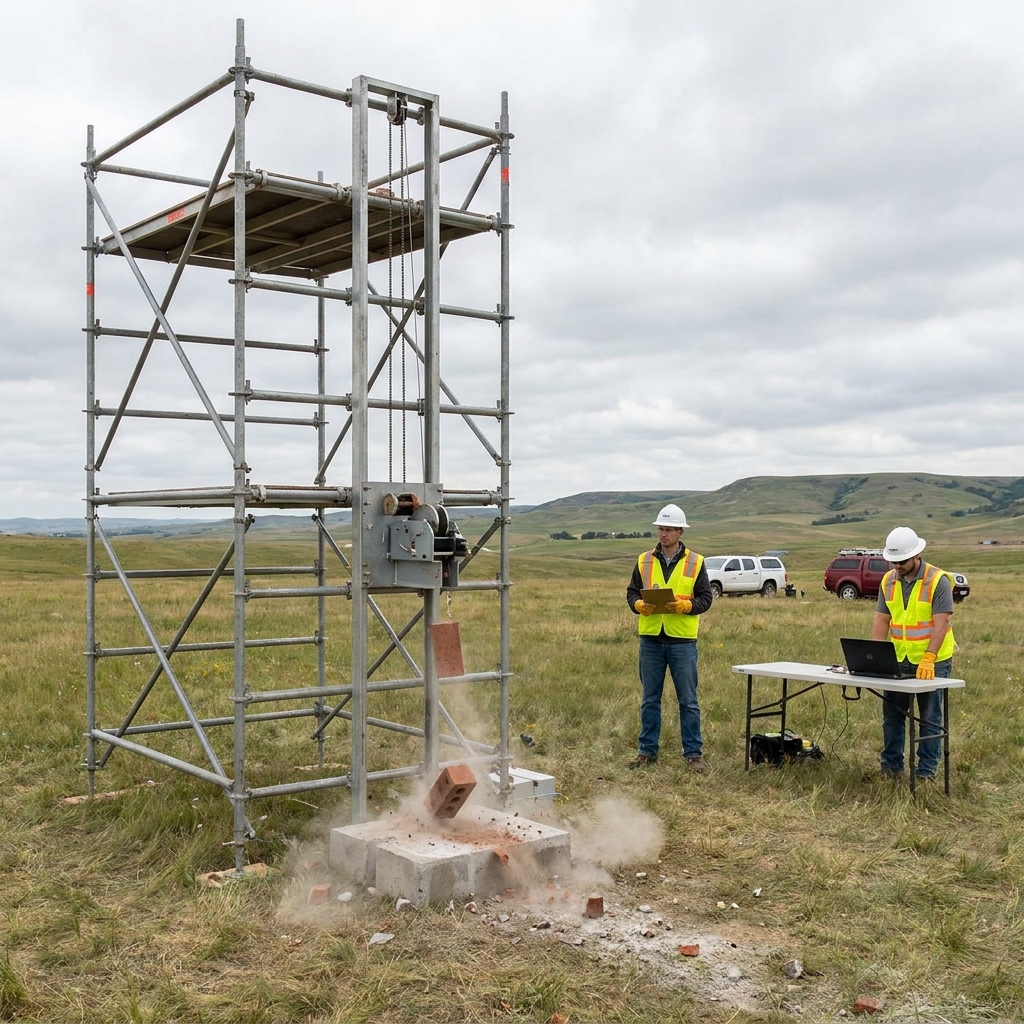
- 2The Drop TestDrop a brick from a height of about 1 meter (roughly waist-high) onto bare, solid ground. A true First-Class (Awal) brick will survive the fall without breaking.
- 3The Scratch TestTry to scratch the surface of the brick with your fingernail. If your nail leaves a noticeable mark, the brick is under-burnt and too soft for major walls.
- 4The Water TestA high-quality brick shouldn't absorb more than 20% of its own weight in water after being soaked for 24 hours. High absorption leads to terrible dampness and paint peeling inside your home later on.
💡 Expert Tip:Always insist on Awal bricks for your main exterior walls and Tie-Beam infills. Saving a few rupees by using Dui Numberi bricks for your main structural walls severely compromises the earthquake resilience of your house. Keep the lower grades strictly for Soling!
Building a house is a massive milestone. Take the time to check your materials, talk openly with your Mistri, and don't hesitate to reject a bad batch of bricks. Your future self will thank you!